推荐
策展人亲自评定的等级Simon Fujiwara:谁从此过上了幸福的生活?
展览介绍
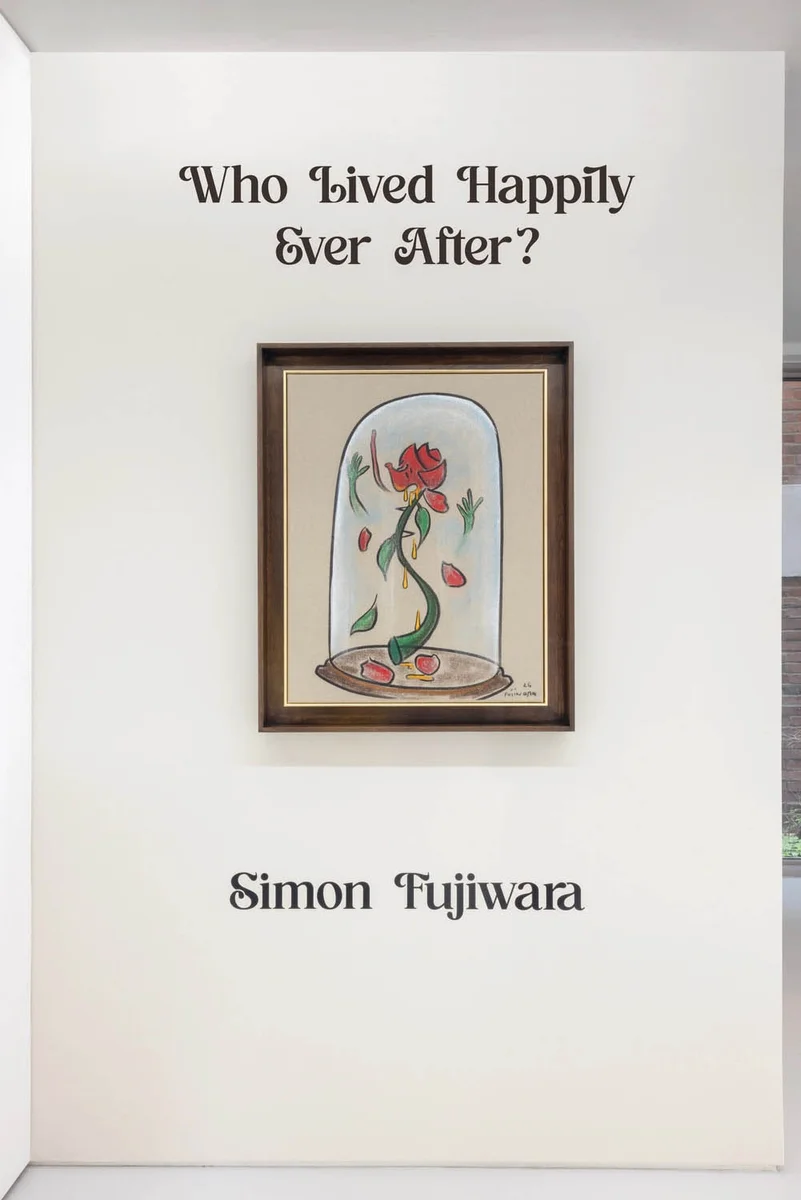
Esther Schipper Seoul is pleased to announce Who Lived Happily Ever After?, Simon Fujiwara’s first solo exhibition in our Seoul location and the artist’s fourth with the gallery. On view will be new paintings from the artist’s body of work featuring his original cartoon figure Who the Bær – a cartoon bear in constant search for an identity, transforming endlessly into different styles, characters and tropes. For this exhibition, Fujiwara takes Who into the world of myths and fairytales. The works will be presented within a series of themed rooms with differently colored walls. From Hero to Princess, Who transforms into some of our most beloved and archaic cultural figures and characters. Archetypes that have accompanied humanity in various disguises for thousands of years, the characters Who inhabits in these works seem to have travelled a long way from the classical myths and are more at home in the bright and hyper-mediated world of contemporary animation, most famously Disney. We find Who as Prince and Sleeping Beauty, as Cinderella's glass slipper or suffocating rose, as both Beauty and the Beast, Gulliver and Lilliputian, or as Pied Piper whose seductive (social media) tunes lead a group of young Whos astray. These works focus less on the search for identity than on the exhaustion that comes from the pressure to perform one's self in a constant negotiation of roles. They bespeak a kind of melancholy for a nostalgic past that was filled with magic and mystery but is now revised and updated to our times, and is shot through with anxiety, fear and loss of faith in those same stories where we once sought refuge and imagination. Who's enactment of multiple positions in each picture reinforces the sense of arbitrariness and exhaustion: These are no longer roles to which to aspire-and maybe never were. Instead, their certainties are put into question: the villains are scared, the witches sad, the heroes confused and the princesses mad. All are in a state of nervous tension. The balanced composition, inventive technique, the deftness of color, stoke and line of these works highlight Fujiwara's painterly virtuosity. Since the artist began his series of works of iconic art historical works that were redrawn in the shape of Who, his formal language has become an amalgamation of historical styles, with a special fondness for the fragmentation of late cubist forms. Meanwhile, the familiar and cartoon-like quality of the imagery allows for an emotional charge one finds in animation and children's books, turning the figures and Who-ified objects into oddly touching subjects, their struggles vividly portrayed. Simon Fujiwara has said he created the cartoon, so that he would not become one himself. A denim wearing bear with a golden heart and an uncontrollably long tongue, Who the Bær seemingly has no gender, race, sexuality or even a clear design. Without an identity, Who exists only as an image, a status that allows them the freedom to roam a world of online images, appropriating characters, identities, aesthetics and guises in a greedy search for a 'self. First premiering at Fujiwara's 2021 solo exhibition at Fondazione Prada in Milan, over time, Who has appeared in paintings, drawings, animations, installations and even in a line of merchandise. The character oscillates between subject and symbol, being and thing and is a tool for the artist to investigate cultural anxieties around identity and its relationship to the performativity of image culture. Who has frequently transformed into artworks by renowned artists, offering an accelerated, witty tour through various stages in the history of art. 참여작가: Simon Fujiwara 출처: Esther Schipper
本网站所有展览信息的图片和文字版权归各艺术家和作者所有。
展览信息可能有所变动或存在错误,请在参观前向各机构确认。
标题、摘要等部分内容由MISHULTA自动翻译,可能与韩语原文有所出入。
艺术家、展览及场馆名称等专有名词以韩语原文为准,自动翻译的译名可能与官方名称不符。